
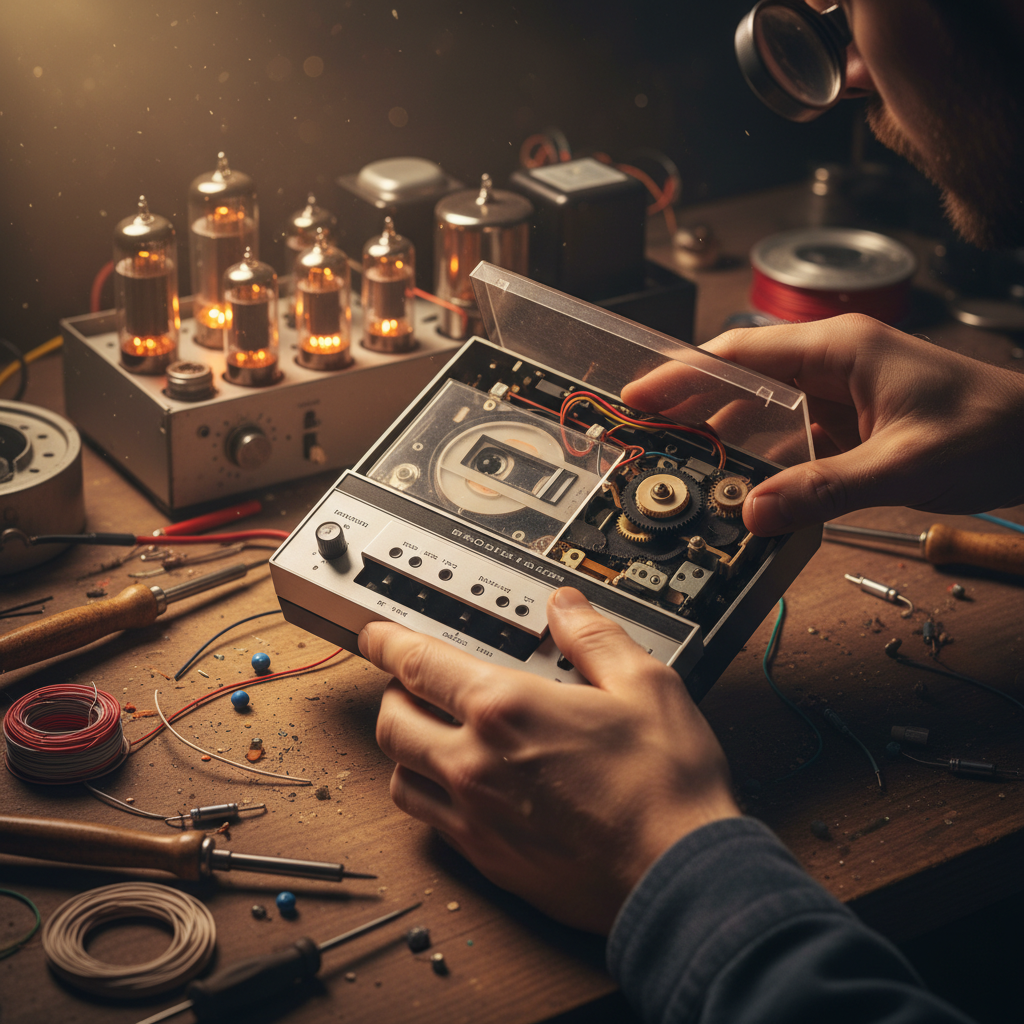
Is That Vintage Cassette Deck Worth Repairing? A Practical Guide
You’ve stumbled upon a dusty old cassette deck in the attic, or perhaps found one at a garage sale for a steal. The nostalgia kicks in, you envision yourself reliving your favorite mixtapes, but then reality hits: it doesn’t quite work. Before you toss it aside or invest blindly in a repair, let’s explore how to decide if that vintage cassette deck is truly worth saving. This guide will help you assess its potential, identify common issues, and understand when a DIY fix or professional repair makes sense.
Initial Assessment: What Are You Dealing With?
First things first, a quick look can tell you a lot. Is the deck physically intact? Are there obvious signs of damage like a shattered play button or a visibly warped casing? Gently open the cassette tray if possible and peek inside. Do you see a tangled mess of tape, or are the moving parts relatively clean? Give it a light shake – do you hear loose parts rattling around? These visual clues offer immediate insights into the potential severity of problems. Remember, signs of heavy mould or rust are often red flags, suggesting deeper issues that might be too costly or complex to fix.
Common Problems and Their Fixability
Most non-working cassette decks suffer from a few common ailments. Understanding these can help you gauge the repair difficulty:
1. The “Won’t Play” Syndrome (and its variations)
This is perhaps the most frequent complaint. You hit play, and nothing happens, or it plays for a second then stops, or the tape gets eaten. Often, this points to old and perished rubber belts. These belts drive various mechanisms within the deck and degrade over time, becoming brittle, sticky, or snapped.
DIY Fixability: High. Replacing belts is a common and relatively straightforward DIY repair for many decks. You’ll need a small screwdriver set, new belts (often found online by searching for your deck’s model number), and some patience. Look for clear online tutorials for your specific model.
Important Detail: *Access*. Some decks are much easier to open and work on than others. Prioritize models where the main board and transport mechanism are relatively accessible.
2. Poor Sound Quality: Muffled, Warbled, or No Sound At All
If the deck powers on and the tape moves but the sound is terrible, several factors could be at play. Dirty tape heads are a very common culprit – residue builds up from old tapes, obstructing the signal. Similarly, internal electronics, especially capacitors, can degrade over time, leading to poor audio.
DIY Fixability: Moderate to Low. Cleaning heads is simple (use isopropyl alcohol and cotton swabs). If cleaning doesn’t help, diagnosing electronic issues requires more advanced knowledge and equipment, usually a task for a professional.
Important Detail: *Cleaning Supplies*. Always use high-purity isopropyl alcohol (90% or higher) and non-abrasive cotton swabs specifically designed for electronics or audio equipment. Avoid household cleaners.
3. Power Problems: Completely Dead or Intermittent
The deck doesn’t power on at all, or it flickers on and off. This can be due to a faulty power supply, a blown fuse, or deeper electrical issues.
DIY Fixability: Low. While replacing a fuse might be an option if you can identify it and safely access it (always unplug first!), anything beyond that usually requires an experienced technician. Messing with power supplies without proper training can be dangerous.
Important Detail: *Safety*. If troubleshooting power issues, always ensure the device is unplugged from the mains. Never work on live electrical components.
Making the Decision: DIY, Professional, or Pass?
Now, to the core question: is it worth it? Consider these factors:
1. Sentimental Value: If the deck holds precious memories, the repair cost might be secondary to the desire to revive it.
2. Rarity and Quality: Is it a high-end, sought-after model from a reputable brand (Pioneer, Nakamichi, Technics, etc.)? These are often built with better components and are more likely to be worth the investment, as their performance can still rival or surpass modern budget options. A cheap, generic deck from an unknown brand might not justify even a minor repair.
3. Cost of Repair vs. Replacement: Get an estimate for professional repair if you’re not comfortable with DIY. Compare this to the cost of a working, similar quality used deck online. A quality belt-driven deck can often be purchased for under $100 if you shop around, making a $150 repair bill less appealing for a mid-range model.
4. Your Skill Level: If you enjoy tinkering and have some basic tools, simple repairs like belt replacement can be a rewarding project that saves you money. If the thought of opening up electronics fills you with dread, budgeting for a professional is wise.
Ultimately, a vintage cassette deck can offer a unique, warm sound and a tangible connection to music that digital forms often lack. By carefully assessing its condition, understanding common problems, and weighing the costs and benefits, you can confidently decide whether that nostalgic piece of audio equipment deserves a second life, or if it’s time to let it go.